
Denise Druce
Years of Wellness Experience
Yoga teaching Hours
Patreon Members
Yoga Teacher Graduates
A Legacy of Wellness Built for Your Future
Finding the right voice to inspire your community, or the right guide for your own health journey, can feel like a lot. Everyone calls themselves an expert these days. You need someone who has actually walked the path. For more than 40 years, Denise Druce has been a steady presence in the Salt Lake City wellness scene, helping people move through life’s hardest seasons with both grace and grit. Whether you’re searching for a Keynote Speaker to energize your next corporate event, or a supportive space to deepen your personal practice, you’ve landed in the right place.
Denise blends decades of clinical knowledge with the kind of warm, infectious energy that reminds you why you started a wellness journey in the first place. Based in the heart of Millcreek, she serves the entire Wasatch Front with one simple mission: to make “Teaching Yoga Everywhere” a reality. Her approach goes far beyond poses on a mat. It’s about real, lasting transformation. The kind that stays with you long after you leave the room.
If you’re ready to bring a new level of vitality to your life or your organization, you don’t have to figure it out alone. Reach out today to book a discovery call, or have a conversation to see how we can work together

Keynote Speaker
When you bring a speaker into your event, you’re not just looking for a polished talk. You’re looking for a shift in the room. Denise Druce brings four decades of experience to the stage, leading sessions that center on resilience, mindfulness, and the power of “Teaching Yoga Everywhere.” Her talks are built for health and wellness communities, corporate teams, and anyone who wants to bridge the gap between high performance and real internal peace. Across Salt Lake City, she’s known for turning a room full of strangers into a connected, motivated group by the time she steps off the stage.
What sets Denise apart is her ability to weave honest, raw storytelling with practical, science-backed wellness strategies. She doesn’t lecture from behind a podium. She engages the heart and the mind of every person sitting in front of her. Audiences leave with more than a page of notes. They leave with renewed purpose and a real toolkit for staying balanced in a world that rarely slows down. Whether your event is a local gathering in Salt Lake City or a global summit, Denise brings the fire and the focus to make it unforgettable.

Your Daily Sanctuary: The Patreon Inner Circle
The path to wellness was never meant to be a solo project, and it shouldn’t be limited by your zip code. That’s why Denise built her unique Patreon Membership, a digital “Inner Circle” where members get direct access to her most powerful tools. This isn’t another generic library of workout videos. It’s a curated home for yoga therapy, guided meditations, and functional fitness routines. For students who can’t easily make it to a studio, this membership brings 40+ years of expertise straight into your living room.
When you join the Patreon community, you unlock an exclusive library that covers everything from weekly yoga classes, meditations, to low-impact fitness routines designed for 40+ bodies.
Finally, a fitness and wellness space that understands the 40+ body. From therapeutic yoga flows to restorative meditations, our Patreon provides movement that works with your life, not against it. Enjoy Denise’s expert guidance on your own time and join a community dedicated to aging with strength, grace, and heart.

Professional Growth: Yoga Teacher Training (YTT)
While Denise is a powerhouse on the stage, she’s also the founder of Utah’s highest-rated Yoga Alliance Certification program, with more than 1,200 graduates currently teaching yoga everywhere. Her 200 and 300-hour training paths go beyond memorizing pose names. They’re about discovering your voice and understanding the deep mechanics of Yoga Therapy from the inside out. And while many graduates do go on to teach, this program isn’t just for aspiring instructors. If you simply want to deepen your personal practice and grow in ways a regular class can’t reach, this is your program too.
Our 200-Hour Yoga Alliance certification was built for real bodies, real lives, and real people. Denise blends ancient yoga wisdom with safe, modern alignment, so you finish with a nationally recognized credential, a confident grasp of anatomy and sequencing, and a teaching voice (or personal practice) that finally feels like yours.
If you’ve already earned your 200-hour, our 300-Hour Advanced Training is built for that quiet moment of plateau. We go deeper into advanced sequencing, the business side of yoga, and specialized anatomy, with Denise mentoring a small cohort closely so you can refine your style and specialize in what truly calls to you. This is where teachers become true yoga leaders, and where lifelong practitioners finally find the depth they’ve been searching for.
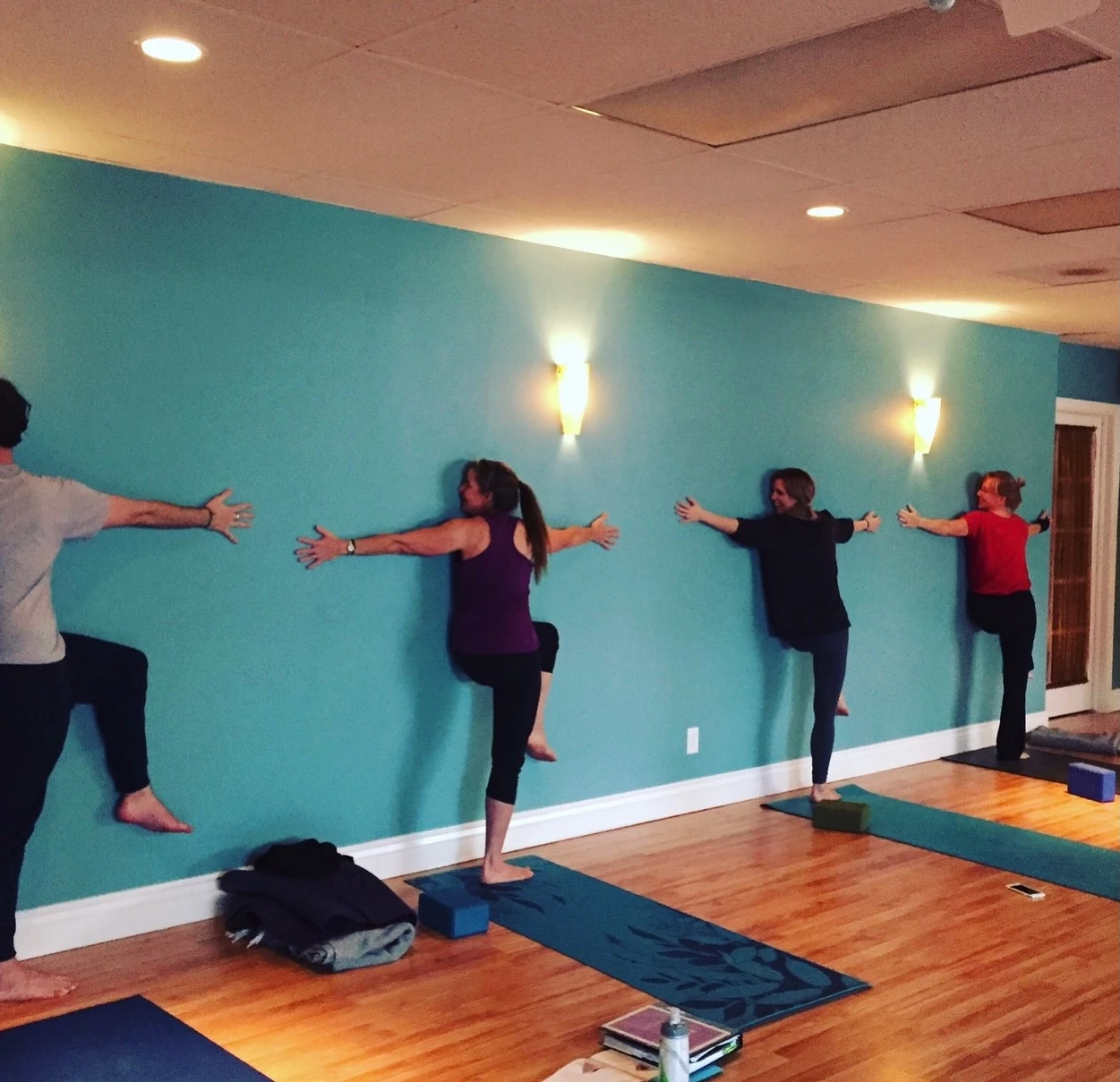
Healing & Giving Back:
Yoga Forward
Denise’s work is deeply rooted in her own perspective as a cancer survivor. Her specialized Yoga for Cancer programs offer a gentle, evidence-based approach to recovery and to thriving on the other side. These sessions bring real physical relief and quiet peace of mind to people walking through some of the most difficult chapters of their lives.
Beyond that, her commitment to the community shines through her work with YogaForward, a non-profit dedicated to bringing the benefits of yoga to underserved populations across the region. This is wellness with a soul, built on the simple belief that everyone, no matter their circumstances, deserves access to the tools of healing.

Why Salt Lake City Trusts Denise Druce
Students, event organizers, and wellness professionals across Salt Lake City and Millcreek choose Denise because she brings together two things that rarely sit side by side: visionary leadership and the warmth of a true friendly helper. With more than 40 years in the wellness world, she has watched every trend come and go. Yet she remains a pioneer by staying focused on what genuinely works: connection, movement, and authenticity. As a family-rooted local, Denise understands the unique culture of the Wasatch Front, which makes her a natural choice for anyone who values both serious credentials and a real personal touch.
She isn’t just a consultant or a trainer. She’s a community builder, through and through. From her wide network of working yoga teachers to her specialized work with cancer survivors, Denise has built her reputation by showing up when it matters most. When you partner with Denise, you’re not hiring just another service provider. You’re joining a movement of people committed to living well, lifting others up, and turning everyday wellness into something meaningful.
That’s the part most people remember long after their first session, their first training, or their first time hearing her speak. The feeling that someone is finally in your corner.

Serving the Wasatch Front & Beyond
Denise Druce is proud to be a local leader with a global reach. Her heart is firmly planted in Millcreek and Salt Lake City, but her speaking engagements and trainings regularly carry her throughout Salt Lake County and well beyond Utah’s borders. From local studio partnerships to large corporate retreats tucked into the mountains, she’s a familiar face across the Utah wellness landscape.
Her digital presence through the Patreon Membership ensures that even if you aren’t located near her SLC home base, you can still benefit from her expertise. Whether you’re looking for in-person intensives or virtual hybrid training, Denise offers the flexibility and reliability that local students and global members have come to count on.
What the Community is Saying
“The most comprehensive training in Utah. Denise doesn’t just teach poses, she teaches you how to find your voice and lead with confidence. Truly life-changing!”
★★★★★ Google Review
“Her keynote session was the highlight of our wellness conference. Raw, authentic, and incredibly motivating. She has a way of connecting with everyone in the room.”
Conference Organizer
Your Next Chapter Starts Now
The path to a more inspired life or a more connected organization is one step away. Don’t let your goals stay parked in the “someday” column. Whether you need a Keynote Speaker to breathe life back into your team, or a Patreon Membership to anchor your daily wellness practice, Denise Druce is here to help map the way. We know how heavy it can feel to stay stuck or to lose your spark, and that’s exactly why we offer a proven, heart-centered approach designed to help you break through.
Take action today and step into a community built on four decades of trust and excellence. Reach out to book a discovery call, schedule a speaking engagement, or sign up for the next training session. Your journey toward resilience and vitality starts here, and we’re honored to walk it with you.